There is a particular kind of tiredness many Muslim women know well. The calendar is full, the mind is fuller, and even quiet moments feel occupied by the pressure to improve. You may finish one task only to reach for another. You may open your phone for a brief pause and find yourself consuming advice on how to wake earlier, do more, organize better, and become more productive. Even beneficial reminders can begin to feel heavy when every hour seems to demand proof of meaning.
This is where halal productivity burnout often begins. Not in laziness, but in sincerity without gentleness. Not in neglect, but in the fear that rest is a form of falling behind. For many women, the guilt is not only practical. It becomes spiritual. If you sit down, you wonder whether you should be reading more, learning more, serving more, fixing more. Rest starts to feel suspicious, as though stillness must defend itself before it is allowed.
This is why halal rest guilt journaling can be so powerful. It helps you bring hidden thoughts into the light. It gives language to the pressure that has been shaping your days. And it creates space to remember that Islam does not define your worth by relentless output. A Muslim woman burnout experience is often made heavier by silence. Journaling interrupts that silence with honesty, compassion, and muhasaba.
When Productivity Pressure Starts to Distort Rest
One of the clearest signs of productivity guilt in Islam is not simply being busy. It is being unable to receive rest as a mercy. You may notice yourself scrolling restlessly after Maghrib, too tired to begin anything meaningful, yet too guilty to truly stop. You may lie down and immediately begin negotiating with yourself, promising that you will get up in ten minutes and make the break feel earned. You may even apologize to yourself for needing sleep, quiet, or a slower day.
Another sign is the feeling of being spiritually behind even after worship. You pray, you make dhikr, you read Quran, and yet an inner voice insists it is not enough. This is not always a sign that you need more effort. Sometimes it is a sign that your heart has become entangled with a harsh and narrow definition of usefulness. When every action is measured by visible output, even worship can begin to feel like another item to optimize.
Muslim woman burnout often hides beneath responsible language. You tell yourself you are just trying to be disciplined. You say you want to make the most of your time. These are good desires. But when they are mixed with fear, comparison, and self-judgment, they can produce exhaustion that looks righteous from the outside while quietly draining peace from the inside.
A Journaling Framework for Halal Productivity Burnout
If you are tired but trying, a halal plan does not begin with forcing more from yourself. It begins with telling the truth. A simple journaling practice can help you do that in three steps.
First, name the thought. Write the exact sentence that appears in your mind when you try to rest. Do not edit it into something polite. It may sound like, “If I stop now, I am wasting time.” It may be, “Other women are doing more than me.” It may be, “Rest is only acceptable after everything is finished.” Naming the thought matters because unspoken guilt often grows stronger in vagueness. Once written down, it becomes something you can examine rather than simply obey.
Second, check the niyyah. Ask yourself what your rest is for. Is it to recover your focus, protect your body, regulate your emotions, show up better for your family, or preserve steadiness in worship? Rest with a clear intention is not empty. It can be deeply purposeful. The question is not whether rest looks productive to others. The question is whether it supports a life of sincerity, balance, and obedience.
Third, reconnect to a Sunnah-based definition of rest. The prophetic way is not built on constant strain. It honors the body, recognizes limits, and teaches consistency over intensity. Rest is not the opposite of devotion. It is often what makes devotion sustainable. A Sunnah-shaped life includes pauses, gentleness, and rhythms that protect the heart from hardness. When you journal, remind yourself that depletion is not a badge of honor. Preservation is wisdom.
Journal Prompts for Rest Without Guilt
If you are wondering how to rest without guilt, specific prompts can help you move from vague overwhelm to clarity. Try writing without rushing, and let your answers be more honest than impressive.
Begin with this: What situations trigger productive shame in me? Notice your patterns. Perhaps you feel guilty resting while dishes remain in the sink. Perhaps seeing other people post achievements online makes your own pause feel irresponsible. Perhaps evenings trigger shame because you had hoped the day would go differently. Identifying these personal triggers is important because guilt rarely appears randomly. It often follows familiar pathways.
Then write on this: What story do I tell myself about a woman who rests? Your answer may reveal beliefs you did not know you were carrying. Maybe you associate rest with weakness, carelessness, or lost potential. Maybe you fear that if you soften, everything will fall apart. Bringing these beliefs into your journal allows you to question whether they are true, fair, or rooted in Islamic balance.
Next, write a short dua for barakah in your rest. Keep it simple and sincere. Ask Allah to place blessing in your pause, protection in your sleep, calm in your body, and renewal in your heart. Ask that your rest become a means of better worship rather than a source of guilt. There is something healing about asking Allah to bless what you have been tempted to despise.
Finally, plan one guilt-free break in the next forty-eight hours. Be specific. Write when it will happen, where you will be, and what the break will include. Keep it realistic. It may be twenty minutes with tea and no phone. It may be a quiet walk after Maghrib. It may be lying down early without turning the moment into a debate. This is where niyyah for rest journal prompts become practical. You are not merely reflecting on rest. You are making room for it.
Pairing Rest with Spiritual Anchoring
Many women find that rest feels safer when it is spiritually anchored. This can be beautiful, as long as it does not become another performance metric. Pairing rest with dhikr or tasbih is not about proving that your break is respectable. It is about letting your heart remain gently connected to Allah while your body slows down.
For example, you might sit by a window after a long day and softly repeat simple words of remembrance. You might take a slow walk and let your tongue move with quiet dhikr. You might rest with your eyes closed for a few minutes and begin with a brief dua for ease. These practices can help your nervous system settle while reminding you that peace itself is not separate from faith.
The key is not to overload the moment. Do not turn rest into a hidden assignment with targets to meet. There is no need to count your worth through what you can extract from every pause. Let the remembrance be light. Let it accompany the rest rather than justify it. A spiritually anchored break should feel softer, not heavier.
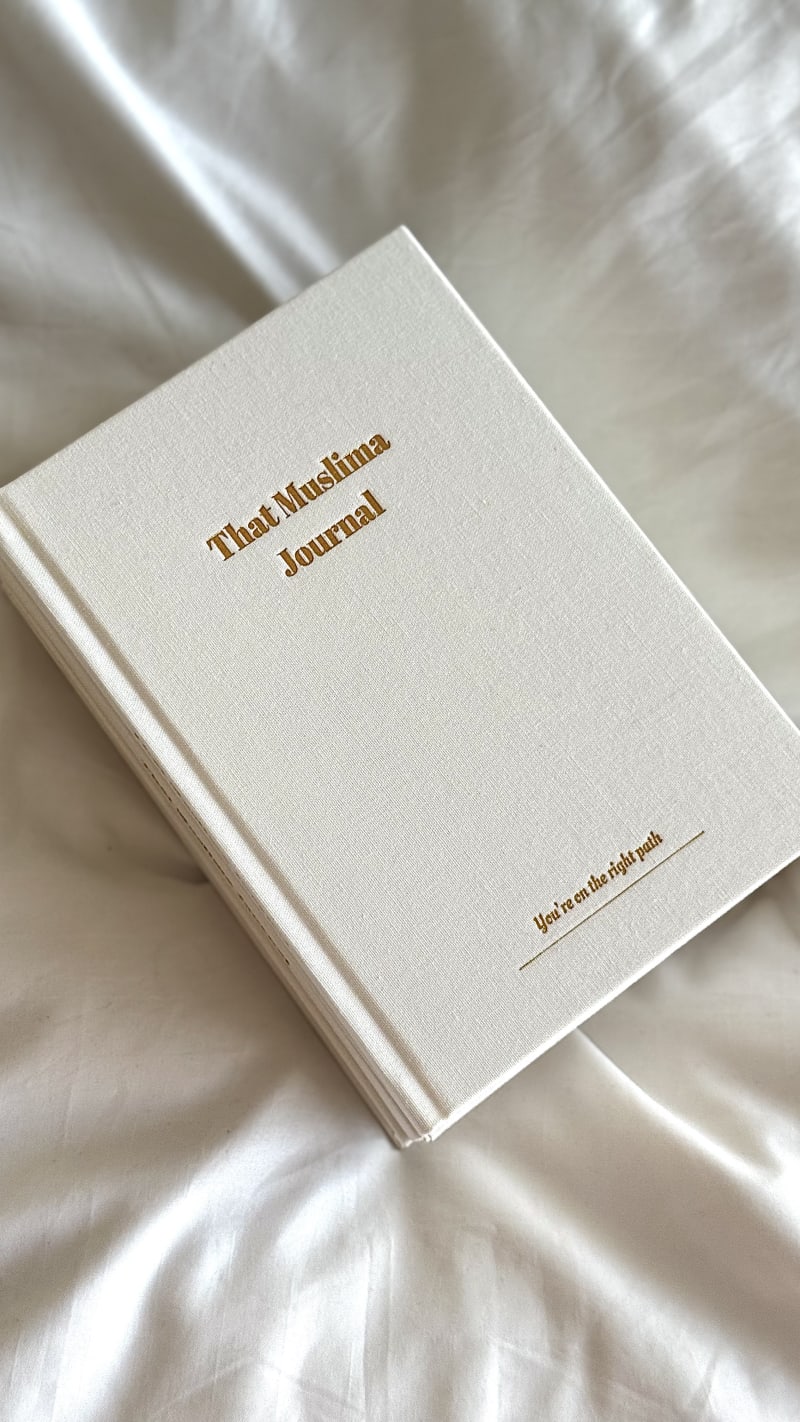
This is one reason many women benefit from keeping a dedicated reflection space like That Muslima Journal. When your thoughts are scattered by fatigue and self-criticism, a grounded journaling practice can help you return to intention, honesty, and mercy. Not every problem needs a harsher system. Sometimes it needs a truer question.
Rest as Worship, Not Failure
If you are living with Muslim woman burnout, remember this gently: being tired does not mean you are failing. It may mean you have been carrying too much without enough tenderness toward yourself. Rest is not always a reward for finishing everything. Often, it is part of how you continue with steadiness and ihsan.
Islam does not ask you to become a machine of visible achievement. It asks for sincerity, balance, and faithfulness. When your niyyah is right, rest can be ibadah. It can protect your prayers from resentment, your relationships from irritability, and your mind from despair. It can return you to your responsibilities with more presence and less panic.
So the next time rest feels like wasted time, pause before agreeing with that thought. Write it down. Examine it. Offer it to Allah. Then choose one small act of mercy toward yourself. Progress is not measured only by output. Sometimes it is measured by learning to stop with trust, to breathe without apology, and to believe that Allah can place barakah not only in your striving, but also in your stillness.